Comprehensive Guide to Bone Densitometry Machines: Transforming Bone Health Diagnostics
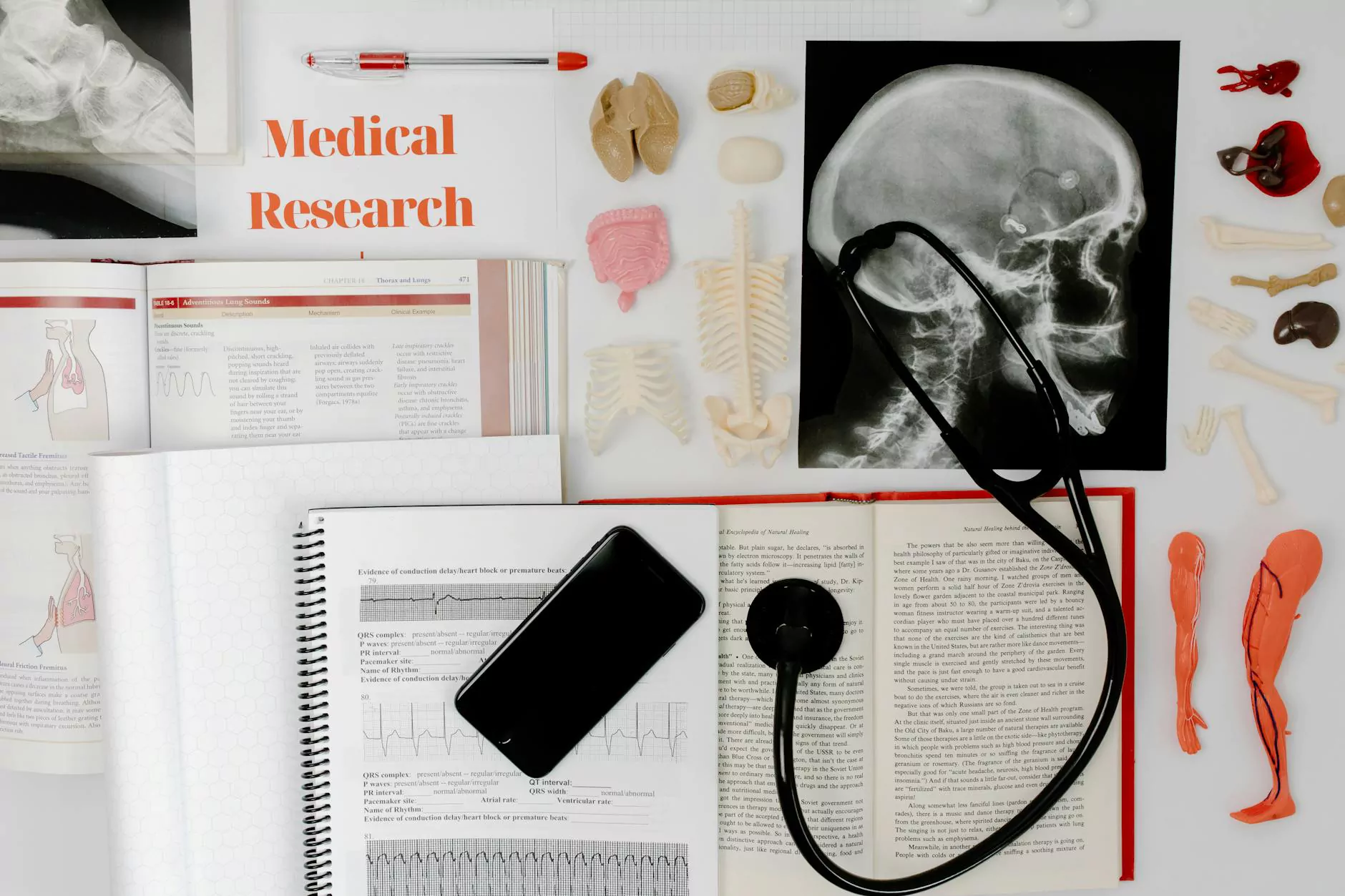
In the evolving landscape of health and medical diagnostics, technological advancements have revolutionized the way healthcare professionals detect and manage bone-related conditions. Among these innovations, bone densitometry machines stand out as a pivotal tool for assessing bone health with exceptional accuracy and efficiency. This comprehensive article explores the multifaceted world of bone densitometry machines, highlighting their significance in modern medicine, technological intricacies, clinical applications, and the profound impact they have on patient care.
Understanding Bone Densitometry Machines
Bone densitometry machines, often referred to as DEXA (Dual-Energy X-ray Absorptiometry) scanners, are specialized medical devices designed to measure bone mineral density (BMD). This measurement is essential for diagnosing osteoporosis, predicting fracture risk, monitoring disease progression, and evaluating the effectiveness of treatment protocols. The core principle involves the use of low-dose X-ray beams that pass through bone tissue, with the machine analyzing how much radiation is absorbed to infer bone density levels.
The Significance of Bone Densitometry in Contemporary Healthcare
Bone health has become an increasingly critical aspect of preventive medicine, especially given the global rise in osteoporosis and age-related bone degenerative conditions. The bone densitometry machine plays a crucial role by providing quantitative insights that are otherwise difficult to obtain through conventional imaging techniques. Its non-invasive, quick, and highly sensitive nature makes it invaluable in clinical settings.
Key Benefits of Using a Bone Densitometry Machine
- Early Detection of Osteoporosis: Identifies bone loss before fractures occur, enabling timely intervention.
- Accurate Fracture Risk Assessment: Allows physicians to stratify patients based on their fracture risk, facilitating personalized treatment plans.
- Monitoring Treatment Effectiveness: Tracks changes in BMD over time, ensuring therapeutic approaches are effective.
- Cost-Effective and Patient-Friendly: Offers a low-radiation, swift, and minimally invasive diagnostic option.
Technological Innovations in Bone Densitometry Machines
Recent years have seen significant advancements in bone densitometry technology, contributing to more precise measurements, enhanced patient comfort, and expanded clinical applications. These innovations include:
Dual-Energy X-ray Absorptiometry (DEXA)
This remains the gold standard in bone densitometry due to its high accuracy and low radiation dose. DEXA machines utilize two X-ray beams at different energy levels, which enable differentiation between bone and soft tissue, leading to precise BMD measurements.
Quantitative Computed Tomography (QCT)
QCT offers 3D imaging and volumetric bone density analysis, providing insights into trabecular and cortical bone compartments. Although more expensive and with higher radiation exposure compared to DEXA, QCT is invaluable in cases requiring detailed 3D analysis.
Peripheral Devices and Portable Solutions
The development of handheld and peripheral densitometry devices allows for rapid bone screening outside traditional clinical environments, increasing accessibility, especially in remote or underserved areas.
Clinical Applications of Bone Densitometry Machines
The versatility of bone densitometry machines extends across various clinical scenarios, including:
Diagnosis of Osteoporosis and Osteopenia
Assessing BMD at critical sites such as the hip, spine, and forearm aids in diagnosing osteoporosis, a condition characterized by decreased bone mass and increased fracture risk.
Fracture Risk Prediction
Combining BMD data with algorithms like FRAX allows clinicians to estimate the likelihood of fractures, leading to targeted preventive strategies.
Monitoring Treatment Response
Regular BMD measurements enable healthcare providers to evaluate the effectiveness of medications like bisphosphonates, hormone therapy, or lifestyle modifications.
Research and Epidemiological Studies
Bone densitometry machines contribute valuable data for research on osteoporosis prevalence, risk factors, and the efficacy of new therapies.
Integrating Bone Densitometry into Medical Centers and Health Markets
The strategic deployment of bone densitometry machines within medical centers and health markets is essential for expanding access to diagnostic services. Leading healthcare providers recognize the importance of incorporating these devices to enhance patient outcomes and streamline osteoporosis management.
Key Factors for Success in Business Integration
- Advanced Technology: Investing in the latest DEXA and QCT systems ensures high-quality diagnostics.
- Training and Expertise: Skilled technicians and clinicians maximize device utilization and interpretative accuracy.
- Patient-Centric Approach: Offering quick, painless scans fosters patient comfort and adherence.
- Strategic Location Placement: Placing devices in accessible, high-traffic areas increases screening rates.
- Partnerships and Collaborations: Collaborating with insurance providers and wellness programs broadens service reach.
Future Trends and Innovations in Bone Densitometry
The future of bone densitometry machines is geared towards improved precision, integration with digital health platforms, and broader clinical applications. Promising developments include:
Artificial Intelligence and Machine Learning
AI algorithms will enhance image analysis, fracture risk prediction, and personalized treatment recommendations, leading to more accurate and efficient diagnostics.
Portable and Wearable Technologies
Emerging portable devices will facilitate onsite screening during routine health check-ups, making bone density assessment part of regular health monitoring.
Integration with Electronic Health Records (EHR)
Seamless data integration will allow for comprehensive patient profiles, improving treatment planning and longitudinal health tracking.
How Beammed.com Empowers the Healthcare Industry with Bone Densitometry Solutions
As a dedicated leader in health and medical equipment, Beammed offers state-of-the-art bone densitometry machines tailored to meet diverse clinical and business needs. Their commitment to innovation, quality, and customer support ensures healthcare centers and health markets can deliver exceptional diagnostic services. Partnering with Beammed grants access to cutting-edge technology, comprehensive training, and reliable maintenance to optimize your osteoporosis management programs.
Conclusion: Embracing the Future of Bone Health Diagnostics
The deployment of bone densitometry machines represents a crucial step toward proactive management of bone health. Their precision, efficiency, and expanding clinical applications are transforming how healthcare providers diagnose, treat, and monitor osteoporosis and other bone-related conditions. As the demand for reliable, accessible, and innovative diagnostic tools increases, investing in advanced bone densitometry technology is not only smart business but also a vital contribution to improving global health outcomes.
In a rapidly advancing medical landscape, leveraging the capabilities of high-quality bone densitometry machines will continue to drive better patient care, reduce fracture risks, and foster a healthier society. Partner with industry leaders like Beammed.com to stay at the forefront of this vital field, ensuring your healthcare offerings remain relevant, effective, and scientifically advanced.