Understanding Bilateral Salpingo-Oophorectomy: A Complete Medical Perspective
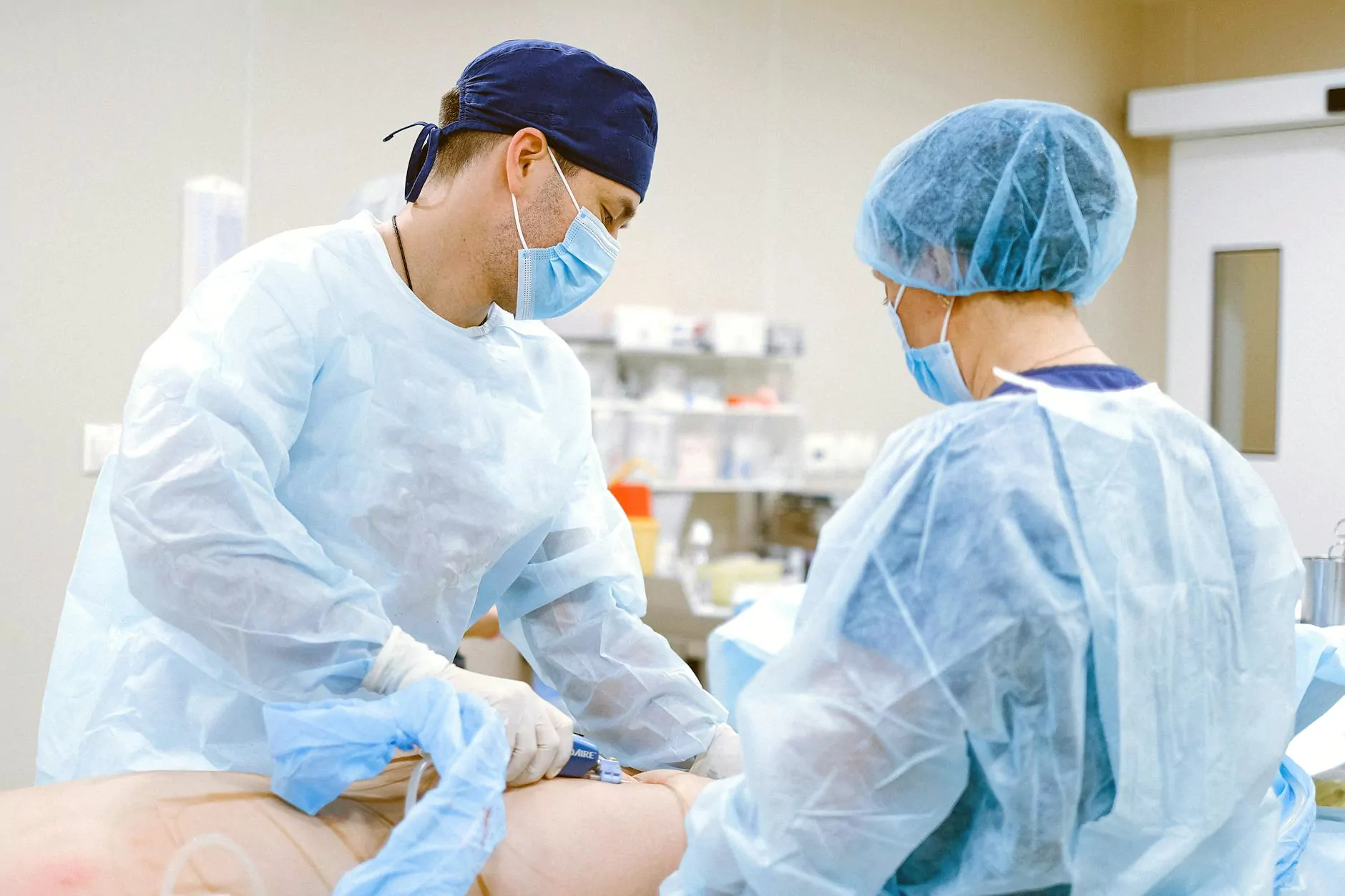
In the realm of gynecological health and surgical interventions, certain procedures are pivotal in preventing, diagnosing, and treating complex reproductive system conditions. Among these, bilateral salpingo-oophorectomy stands out as a critical surgical intervention that involves the removal of both fallopian tubes and ovaries. This comprehensive article delves into the definition, medical significance, surgical procedures, and post-operative considerations associated with bilateral salpingo-oophorectomy, providing invaluable insights for patients, healthcare professionals, and future medical advancements.
What is bilateral salpingo-oophorectomy? – A Precise Definition
The term bilateral salpingo-oophorectomy (often abbreviated as BSO) refers to a surgical operation involving the removal of both fallopian tubes (salpingectomy) and both ovaries (oophorectomy) from a female patient. The word breakdown aids in understanding:
- Bilateral: Both sides of the body
- Salpingo: Pertaining to the fallopian tubes
- Oophorectomy: Removal of the ovaries
This procedure is performed for various clinical indications, ranging from cancer prevention and treatment to managing benign ovarian conditions or to facilitate menopause when necessary. It is a major surgical step in managing gynecological diseases with significant implications for hormonal balance and overall health.
The Medical Purposes Behind Bilateral Salpingo-Oophorectomy
Understanding why this surgical procedure is performed is vital to appreciate its importance in gynecological medicine. The primary medical reasons include:
- Ovarian and fallopian tube cancer prophylaxis: High-risk women with BRCA mutation or family history often elect for BSO to drastically reduce ovarian and fallopian tube cancer risk.
- Ovarian cancer treatment: When diagnosed with ovarian or fallopian tube malignancies, removing both organs may help prevent cancer spread and improve survival rates.
- Benign ovarian conditions: Such as ovarian cysts, endometriosis, or torsion that do not respond to conservative treatments.
- Menopause management: In cases of estrogen-sensitive cancers or severe ovarian symptoms, prophylactic BSO might be part of a broader treatment plan.
- Pelvic inflammatory disease (PID): Recurrent infections affecting the tubes and ovaries may necessitate this intervention.
The Surgical Procedure of Bilateral Salpingo-Oophorectomy: Step-by-Step
The execution of bilateral salpingo-oophorectomy requires meticulous planning and skilled surgical technique. The approach typically involves:
Preoperative Preparation
Patients undergo extensive preoperative evaluation, including imaging studies, blood tests, and counseling about hormonal effects and long-term health implications. Anesthesia planning and risk assessment are also critical at this stage.
Types of Surgical Approaches
- Laparoscopy: A minimally invasive technique utilizing small incisions, offering quicker recovery and reduced postsurgical discomfort.
- Laparotomy: An open surgery approach for extensive disease or complex cases requiring broader access.
- Robotic-assisted surgery: Advanced approach providing enhanced precision and visualization.
Procedure Details
Once anesthesia is administered, the surgeon proceeds to:
- Insert surgical instruments through small incisions or an open incision.
- Identify and carefully dissect the fallopian tubes and ovaries from surrounding tissues, preserving important structures such as blood vessels, ureters, and, when necessary, the uterus.
- Secure the blood supply with ligatures or clips to prevent hemorrhage.
- Remove the ovaries and fallopian tubes, often placing them in specimen bags for pathological examination.
- Ensure hemostasis and close the surgical incisions meticulously.
Postoperative Considerations and Long-Term Impacts
Following bilateral salpingo-oophorectomy, patients may experience various immediate and long-term effects:
Immediate Postoperative Care
- Monitoring for bleeding, infection, and anesthesia-related issues.
- Pain management with appropriate medications.
- Gradual mobilization and nutritional support.
Long-Term Health Implications
Removing both ovaries results in a sudden decrease in estrogen and other hormones essential for various bodily functions, leading to:
- Menopause: Menopausal symptoms including hot flashes, night sweats, vaginal dryness, and mood changes.
- Bone health: Increased risk of osteoporosis, requiring lifestyle modifications and possibly hormone replacement therapy (HRT).
- Cardiovascular health: Elevated risks necessitate lifestyle adjustments and medical monitoring.
- Psychological effects: Impact on fertility and emotional well-being, with counseling often recommended.
Expert Guidance from Leading Gynecologists and Obstetricians at drseckin.com
At drseckin.com, experienced physicians specializing in Doctors, Health & Medical, Obstetricians & Gynecologists apply the latest evidence-based practices to ensure optimal patient outcomes. Their comprehensive approach includes:
- Personalized evaluation based on individual health history and risk factors.
- Detailed counseling about surgical options, benefits, and potential risks.
- State-of-the-art surgical techniques minimizing invasiveness and enhancing recovery.
- Post-surgical follow-up to manage hormone therapy, lifestyle adjustments, and ongoing health monitoring.
Why Choose Expert Medical Care for Bilateral Salpingo-Oophorectomy?
Choosing experienced specialists is paramount because the procedure's complexity demands not only surgical skill but also an understanding of the hormonal, reproductive, and overall health aspects. Experts at drseckin.com prioritize:
- Patient safety and comfort
- Comprehensive preoperative and postoperative support
- Up-to-date surgical methodologies
- Individualized treatment plans tailored to each patient's needs
The Future of Gynecological Surgery: Innovations and Advancements
The field of gynecological surgery, including bilateral salpingo-oophorectomy, is rapidly evolving with technological advancements such as:
- Robotic surgery systems: enhancing precision and reducing recovery time.
- Genetic and molecular diagnostics: better identification of high-risk patients.
- Hormone replacement therapies: improving quality of life post-surgery.
- Minimally invasive techniques: reducing complications and hospital stay.
Conclusion: Empowering Patients Through Knowledge and Expert Care
Understanding bilateral salpingo-oophorectomy in comprehensive detail empowers women and healthcare providers to make informed decisions about their health. Whether for preventive, diagnostic, or therapeutic reasons, this procedure plays a vital role in modern gynecology. With the guidance of experienced obstetricians and gynecologists at drseckin.com, patients can navigate the surgical journey confidently, knowing they receive top-tier care rooted in the latest medical standards and compassionate support.
Continual innovations promise to make procedures like bilateral salpingo-oophorectomy safer, less invasive, and more beneficial, ensuring that women's health stays at the forefront of medical progress.
bilateral salpingo oophorectomy definition