Uncover the Truth About Fake Money That Looks Real For Sale: A Comprehensive Guide
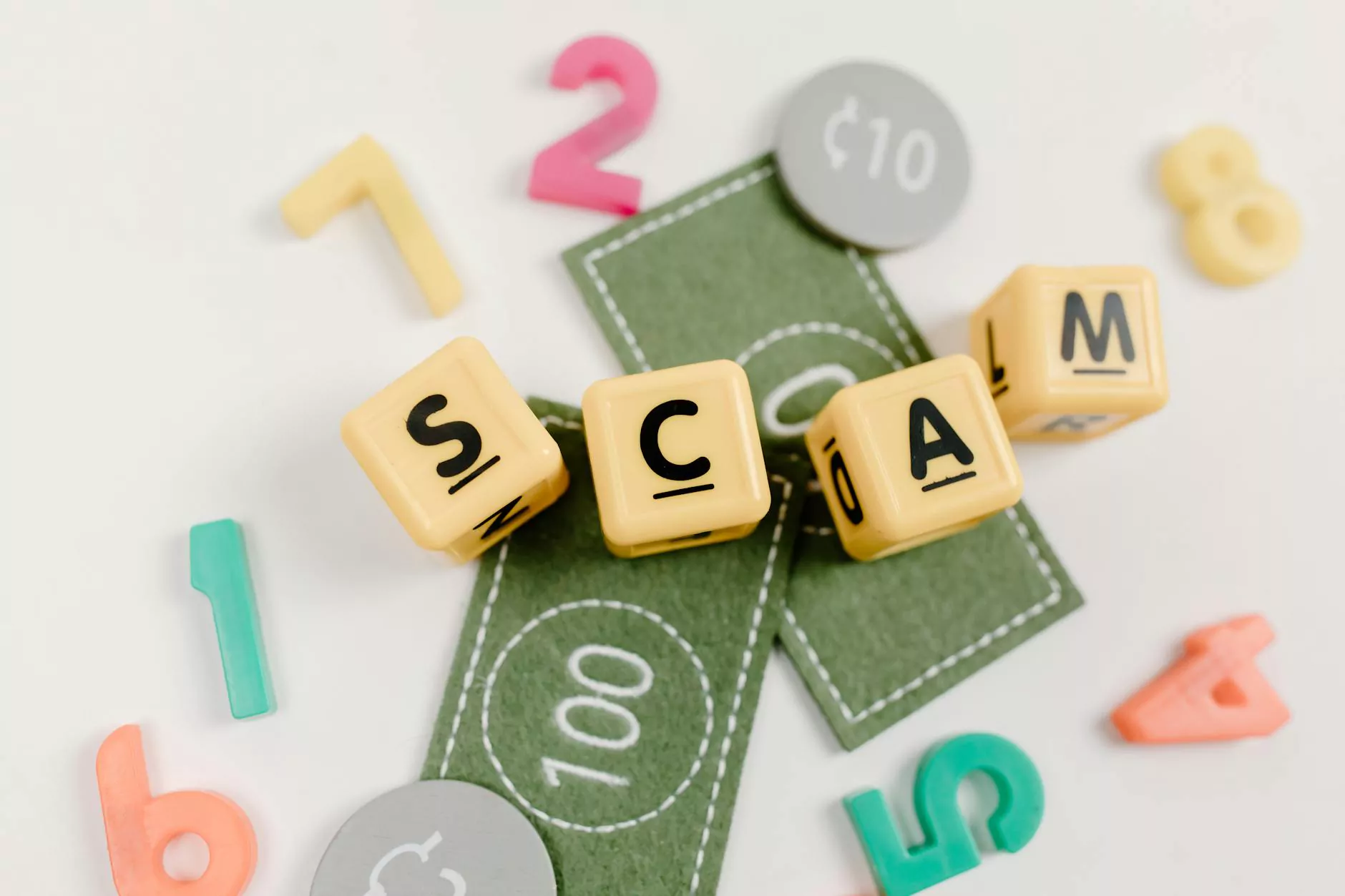
In today’s complex financial landscape, the emergence of counterfeit currency has become an issue of widespread concern. Fake money that looks real for sale has gained notoriety among individuals and organizations seeking quick solutions or illicit gain. However, understanding the intricacies of counterfeit currency, its manufacturing processes, legal ramifications, and ethical considerations is essential for staying informed and making responsible decisions.
What Is Fake Money That Looks Real For Sale?
Fake money that looks real for sale refers to counterfeit bills that are designed with such precision and detail that they closely imitate authentic currency. These bills are intended to deceive, often convincing even the most trained eyes, and are sold through various underground channels, online marketplaces, or clandestine networks.
While some may perceive such counterfeit products as mere novelty items or collectibles, the reality is complex. The production and distribution of convincing fake money are often linked to illegal activities, including fraud, money laundering, and other criminal enterprises. Despite this, some individuals are intrigued by the craftsmanship involved or the aesthetic value of these bills, leading to a volatile debate about morality and legality.
The Craftsmanship Behind Fake Currency
Creating fake money that looks real for sale involves a high degree of technical skill and knowledge. Advanced counterfeiting operations employ professional printers, specialized inks, and high-resolution imaging to recreate or mimic the intricate designs and security features of genuine banknotes.
Key Techniques in Counterfeit Currency Production
- High-Resolution Printing: Counterfeiters use professional-grade printers capable of replicating micro-details and fine lines found on official currency.
- Special Inks and Paper: Imitation bills sometimes utilize inks that mimic the color-shifting or holographic features of real money, along with high-quality paper resembling that used in authentic notes.
- Security Features Replication: Experts attempt to reproduce security threads, watermarks, color-shifting inks, and microtext to increase authenticity.
- Color Matching and Design: Precise color matching and detailed design work are crucial to produce a convincing counterfeit.
The Types of Fake Money Available on the Market
Counterfeit currency varies significantly in quality and purpose. Understanding the different types of fake money enables consumers and authorities to identify and distinguish counterfeit bills effectively.
Basic Fake Bills
These are often poorly made and easily detectable through simple visual inspection. They may lack the fine details found on real currency, and their paper quality is inferior.
High-Quality Replicas
These bills are meticulously crafted with sophisticated security feature replication. They can deceive untrained eyes and sometimes even challenge professional detection methods.
Novelty and Prop Money
Designed specifically for entertainment, film, or promotional use, fake money that looks real for sale can also include novelty bills made from paper or plastic. Legally, these are meant for non-transactional uses but can sometimes be manipulated for illegal activities.
Legal Implications of Buying and Using Fake Money
It's critical to understand that the possession, distribution, or use of counterfeit bills is illegal in most jurisdictions. Engaging in such activities can lead to criminal charges, hefty fines, and even imprisonment. The laws are strictly enforced due to the threat counterfeit currency poses to economic stability and trust in financial institutions.
The sale or purchase of fake money that looks real for sale, especially with intent for illegal use, is considered a serious offense. Even possessing fake money without proper authorization could violate anti-counterfeiting laws.
Legitimate Uses of Fake Money
While counterfeit currency is predominantly associated with illegal activities, there are legitimate contexts where fake money is utilized:
- Film and Theater Productions: Prop money is required for set design and scenes involving currency. These bills contain clear disclaimers stating they are not real.
- Educational Purposes: Training law enforcement officers or cash handlers to recognize counterfeit bills often relies on authentic-looking replicas.
- Promotional Campaigns: Customized fake currency can serve as promotional tokens or souvenirs, provided they are legally compliant and clearly marked as fake.
How to Identify Fake Money That Looks Real for Sale
Being able to distinguish authentic bills from convincing fake money that looks real for sale is vital to avoid legal or financial repercussions. Some critical indicators include:
Visual Inspection
- Inspect for microtext and fine lines—a genuine bill has detailed security features.
- Check for consistent colors and clear, sharp images and portraits.
- Look for printed borders or patterns that are perfectly aligned.
Feel and Texture
- Authentic currency has a distinct texture due to the quality of paper and printing processes.
- Counterfeit bills may feel different—either too smooth or too coarse.
Security Features
- Embedded security threads, watermarks, holograms, and color-shifting inks are difficult to replicate precisely.
- Use UV light or counterfeit detection pens for further verification.
The Risks of Buying Fake Money That Looks Real For Sale
Purchasing and using fake currency exposes individuals and businesses to substantial risks, including:
- Legal prosecution and criminal charges.
- Financial loss and reputational damage.
- Potential involvement in illicit activities, unknowingly or otherwise.
- Damage to your credit or financial standing if caught trafficking counterfeit bills.
Where Can You Legally Purchase Fake Money?
Legal markets for fake money that looks real for sale include licensed prop money suppliers, educational institutions, and entertainment industries. Always ensure the products are labeled for legal use and clearly marked as sculpture, prop, or promotion material.
Companies like legitdocumentsexperts.com specialize in providing high-quality prop and novelty currency for authorized uses, ensuring compliance with legal standards and safety regulations.
Choosing a Reputable Supplier
When seeking reliable sources for fake currency, consider the following:
- Verify licensing and reputation within the industry.
- Read customer reviews and testimonials.
- Confirm that the products are explicitly labeled for entertainment or educational purposes.
- Ask about security features and material quality.
- Ensure transparency regarding the legal use of the product.
The Future of Counterfeit Currency and Anti-Counterfeiting Measures
Advancements in currency security features continue to evolve, making counterfeit reproduction increasingly challenging. Technologies such as holograms, ultra-violet features, and color-shifting inks are continually enhanced to combat fake money production.
Meanwhile, law enforcement agencies worldwide invest in advanced detection tools, intelligence-sharing, and international cooperation to curb illegal counterfeit currency activities.
Conclusion: Navigating the World of Fake Money Responsibly
While the allure of fake money that looks real for sale can be tempting, it is essential to recognize the fine line between legitimate novelty or prop money and illicit counterfeit bills. Being informed about security features, legal implications, and ethical considerations helps protect both individuals and society from the harmful effects of counterfeit currency.
For those interested in using fake money responsibly, purchasing from reputable sources like legitdocumentsexperts.com ensures compliance, quality, and peace of mind. Remember, awareness and responsibility are key to navigating this complex landscape safely and legally.