Maximize Your Business Success with the Best Air Freight Rates in the Industry
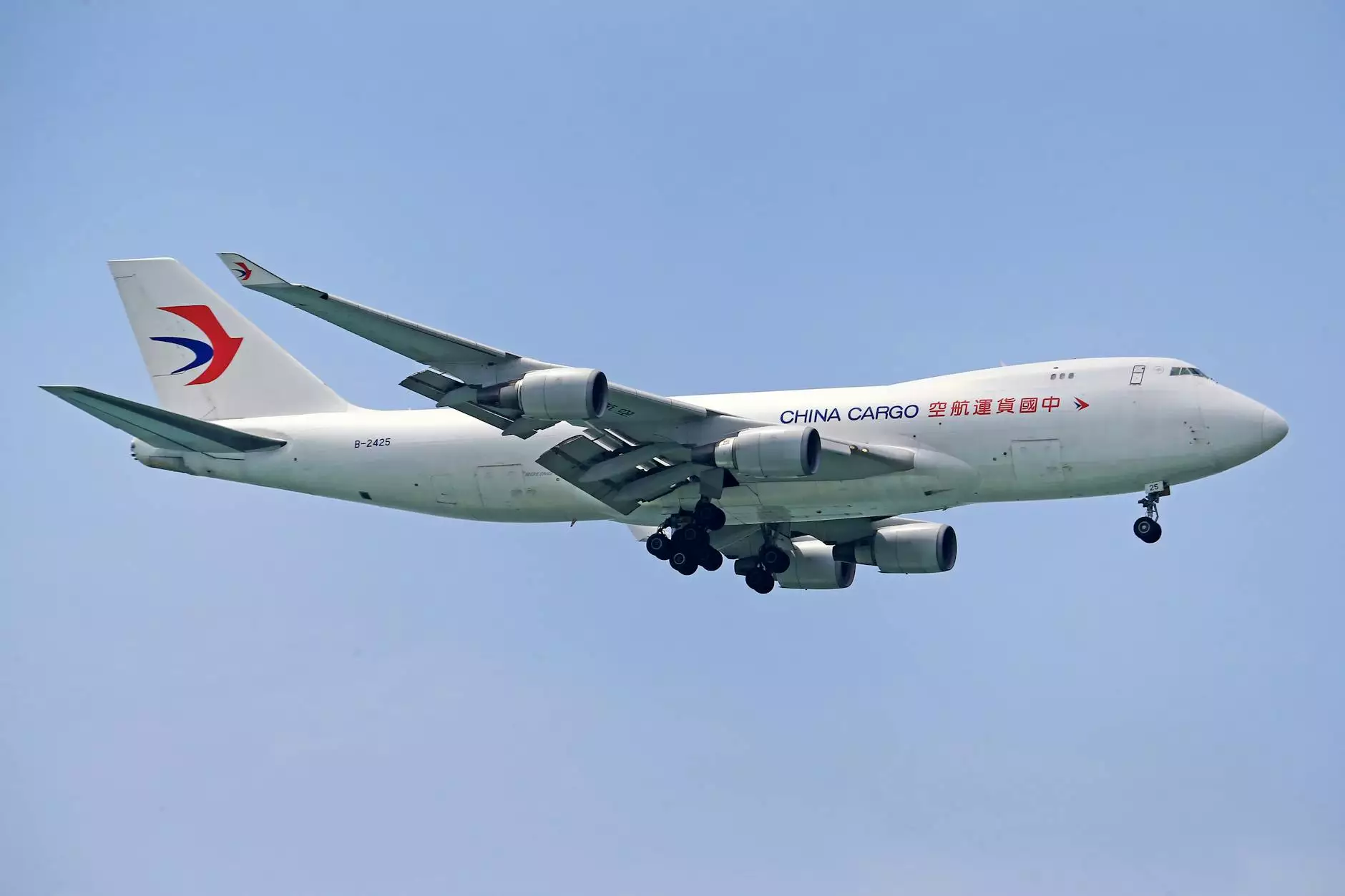
In today's global economy, the ability to efficiently and cost-effectively move goods across borders is a vital component of business success. The pursuit of the best air freight rates can significantly impact profit margins, customer satisfaction, and competitive advantage. This comprehensive guide explores the foundational elements that enable businesses to secure unmatched air freight pricing, including the strategic use of shipping centers, reliable transportation networks, and optimal utilization of airport services.
Understanding the Significance of Best Air Freight Rates
Air freight remains one of the fastest modes of cargo transportation, providing crucial support for industries that require expedited delivery—such as electronics, pharmaceuticals, fashion, and perishable goods. As the global demand for rapid logistics increases, so does the importance of obtaining best air freight rates. Achieving these rates is not merely about negotiation but involves leveraging infrastructure, strategic planning, and optimizing operational efficiencies.
How Shipping Centers Influence the Cost of Air Freight
Shipping centers serve as the connective hubs that streamline freight movement from origin to destination. Efficient shipping centers offer several advantages:
- Consolidation of cargo - Combining multiple shipments reduces costs and increases efficiency.
- Advanced processing facilities - Speeding up customs clearance and handling reduces delays and storage fees.
- Strategic location - Proximity to major airports minimizes transportation legs, reducing transit times and costs.
- Technological integration - Real-time tracking and data analytics optimize route planning and reduce unforeseen expenses.
Investing in and partnering with top-tier shipping centers can directly correlate to accessing best air freight rates. These centers often have pre-negotiated agreements with airlines, bulk handling discounts, and superior logistical capabilities, translating into monetary savings for shippers.
Transportation Networks and Their Impact on Air Freight Pricing
A robust transportation network is essential for reducing freight costs and ensuring timely delivery. When considering air freight costs, several transportation factors come into play:
- Ground transportation efficiency - Smooth logistics from warehouse to airport minimizes delays and terminal charges.
- Connectivity to major hubs - Well-connected regions allow for quick transit to and from airports, enhancing the likelihood of securing best air freight rates.
- Use of multimodal transportation - Combining air freight with road or rail networks can sometimes decrease overall costs, especially when optimized for volume and timing.
Developing strategic partnerships with reliable transportation providers ensures consistent service levels and can lead to negotiated discounts, especially when volume commitments are made. A clear understanding of transportation routes and potential bottlenecks is vital for maintaining cost control and efficiency.
Airport Infrastructure and Its Role in Achieving Best Air Freight Rates
Airports are the physical centers where cargo is consolidated and dispatched. The quality of airport infrastructure directly influences freight costs in several ways:
- Cargo Handling Capacity - Larger, more efficient airports can process higher volumes of freight quickly, leading to lower handling charges.
- Proximity to Markets - Airports near key markets reduce transportation distance and time, lowering overall costs.
- Customs and Security Efficiency - Airports with streamlined customs processes decrease dwell times, reducing storage and potential demurrage fees.
- Infrastructure Modernization - Up-to-date facilities with advanced cargo management systems improve turnaround times and operational costs.
Collaborating with airports that emphasize efficiency and customer-centric services can provide access to the best air freight rates. This includes using airports with abundant freight traffic, which fosters competitive pricing and flexible scheduling options.
Strategies to Secure Best Air Freight Rates for Your Business
Achieving the best air freight rates requires an integrated approach, combining strategic planning, deep industry knowledge, and strong partnerships. Here are vital strategies:
1. Volume Commitment and Negotiation
The more freight you ship regularly, the greater your bargaining power. Establish long-term contracts with airlines or freight forwarders that provide discounts based on consistent volume commitments. Negotiating terms such as freight class, volume discounts, and preferred routing can significantly lower costs.
2. Optimizing Shipment Timing and Flexibility
Flexibility in shipment scheduling can help you capitalize on off-peak rates. Certain times of the year, day, or week may offer lower pricing due to decreased demand. Utilizing freight consolidation services during slow periods can enhance cost-effectiveness.
3. Utilizing Technology and Data Analytics
Leveraging advanced freight management systems and real-time analytics helps identify the most economical routes, carriers, and service options. Proper planning reduces risks of delays and cost overruns, ensuring that your shipments are economical and predictable.
4. Partnering with Experienced Freight Forwarders
Professional freight forwarders with extensive global networks and industry expertise can negotiate better rates, navigate complex customs procedures, and provide tailored logistics solutions that minimize unnecessary expenses.
5. Choosing Strategic Shipping Centers and Airports
Selecting shipping centers and airports based on location efficiency, infrastructure quality, and carrier partnerships ensures smoother operations and better pricing. Evaluating these factors regularly helps maintain optimal freight costs.
Additional Tips for Maintaining Low Air Freight Costs
- Regular Pricing Review - Continuously monitor market rates and adapt your strategy accordingly.
- Packaging Optimization - Properly packing goods reduces weight and volume, directly impacting cost.
- Documentation Accuracy - Avoid delays and extra charges through precise paperwork and compliance with regulations.
- Leverage Technology Platforms - Use online platforms such as cargobooking.aero to compare rates, book shipments, and track freight in real time.
Why Choosing the Right Logistics Partner Matters
Working with a trusted logistics partner, such as cargobooking.aero, can bridge the gap between your business needs and optimal best air freight rates. These partners bring industry expertise, negotiating power, and cutting-edge technology to help you achieve cost savings while ensuring reliability and punctuality.
Future Trends and Innovations Impacting Air Freight Rates
The air freight industry is continuously evolving with innovations like automation, AI-driven logistics planning, and greener aircraft technologies. These advancements promise to further reduce costs and improve service levels, thus making the pursuit of best air freight rates more attainable for businesses of all sizes.
Embracing these trends will enable your business to stay agile, competitive, and cost-efficient in an ever-changing global logistics landscape.
Conclusion: Your Path to Cost-Effective and Reliable Air Freight
Securing the best air freight rates is not simply a matter of negotiation but a strategic process that encompasses selecting the right shipping centers, optimizing transportation routes, leveraging airport infrastructure, and partnering with experienced logistics providers. By applying comprehensive planning and utilizing innovative tools like cargobooking.aero, your business can enjoy significant cost savings, faster delivery times, and improved customer satisfaction.
Remember, in the competitive world of global commerce, reducing transportation costs while maintaining high service quality can be the differentiator that elevates your business above the rest. Invest in building solid logistics partnerships, embrace technological solutions, and stay informed about industry trends to unlock the full potential of your air freight operations.